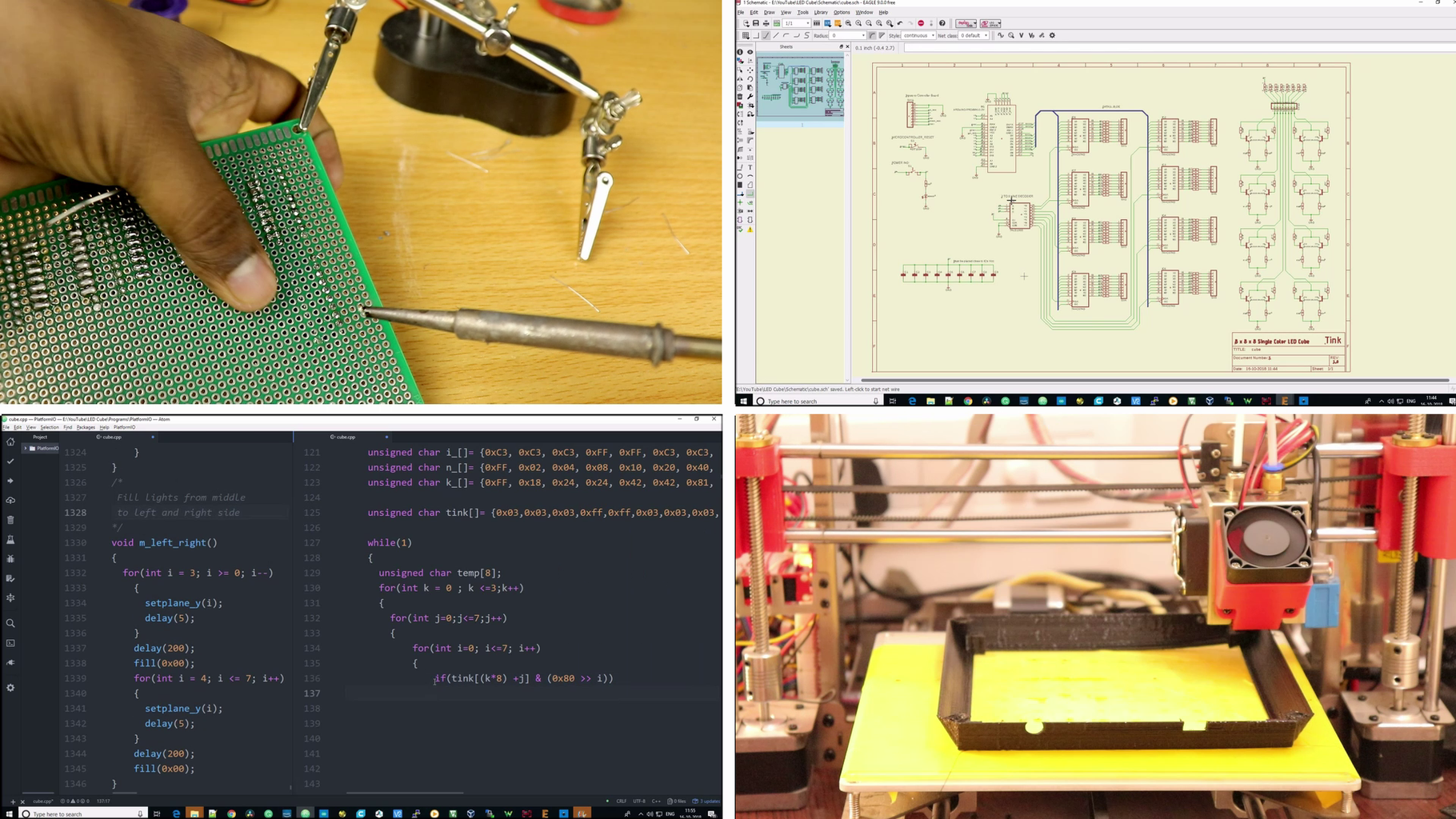
Electronic circuit componnent data lesson and etc How to make a Circuit Diagram In this tutorial I'll show you guys how to make this super simple 4x4x4 PCB LED cube "without over complicating anything". One of those DIY projects includes the LED cube circuit. It's basically a three-dimensional cube, basically made from light-emitting diodes. So in this article, we are going to explore How to make an LED Cube - 4x4x4 using Arduino.

The circuit diagram for a 4 * 4 * 4 LED cube using Arduino Nano involves several components and connections to ensure proper functioning. Here's a step-by-step explanation.
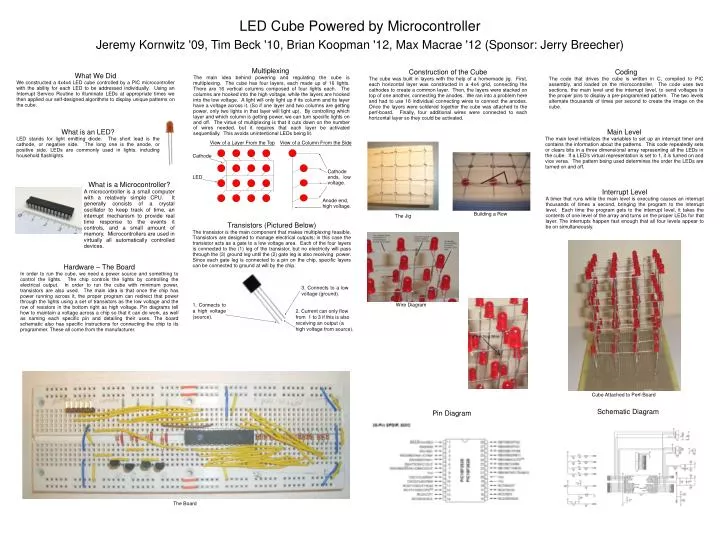
LED Cube Display : 9 Steps (with Pictures) Circuit Diagram
A LED cube allows us to create images and patterns by using the concept of an optical phenomenon known as persistence of vision (POV). So, In this tutorial, we will go over a step by step procedure on how to build a 4x4x4 LED cube u sing an Arduino nano. The cube has 64 blue LEDs that make up its 4 layers (positives) and 16 columns (negatives). Creating an LED cube is a fantastic way to dive into the world of electronics and programming. In this tutorial, we'll guide you through the process of building an LED cube using Arduino Nano and custom PCBs from JLC PCB. This project will cover everything from designing the circuit to assembling the cube and programming it to display mesmerizing light patterns.
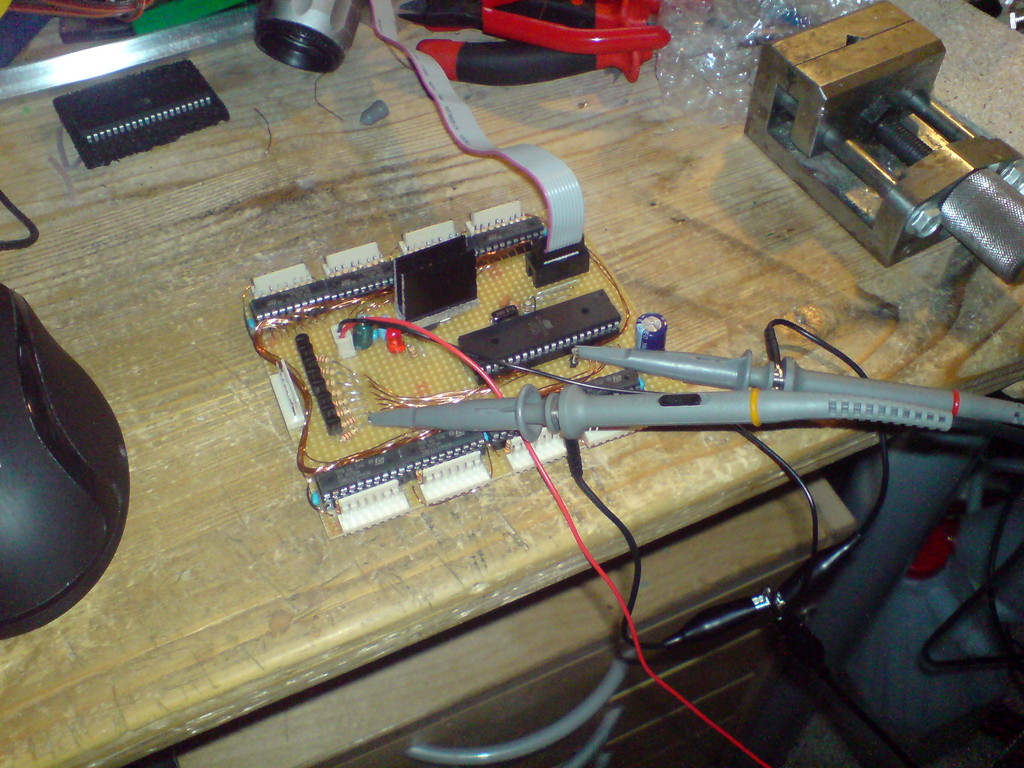
Raspberry Pi 2 B (any model) 220Ω resisters (3 pieces) 27 LEDs Soldering tools for building LED Cube Building 3x3x3 LED Cube: We have previously discussed the building of 3*3*3 LED cube in detail in this article: 3x3x3 LED Cube with Arduino. You should check this one for learning how to solder LEDs for forming LED Cube.

DIY 3x3x3 LED Cube using Arduino Circuit Diagram
In this project we are going to design a 3x3x3 LED CUBE and connect it to Arduino UNO to get different patterns. For a beginner we will start with a simple pattern. A typical 3*3*3 LED cube connected to UNO is shown in the image above, the cube consists of 27 Light Emitting Diodes, these 27 LEDs are arranged in rows and columns forming a cube. There are many types of cubes that can be designed